In an Intermediate Risk Driving Environment
All drivers face risks but the factor that contributes most to crashes and deaths appears to be inexperience1Newly licensed drivers primarily teenagers have the highest crash rates but even drivers well into their twenties have higher crash rates than older drivers. Violating railroad rules.
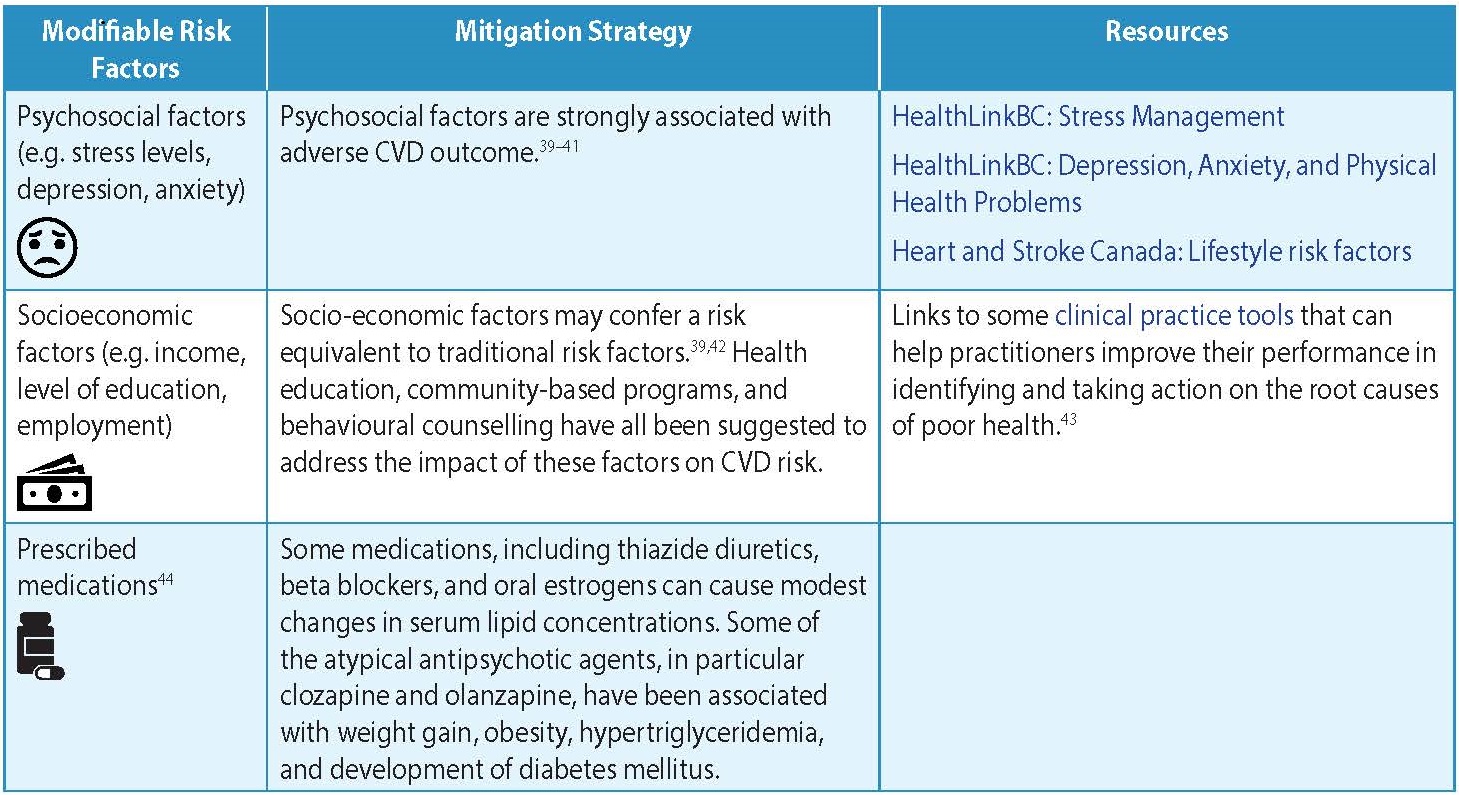
Cardiovascular Disease Primary Prevention Province Of British Columbia
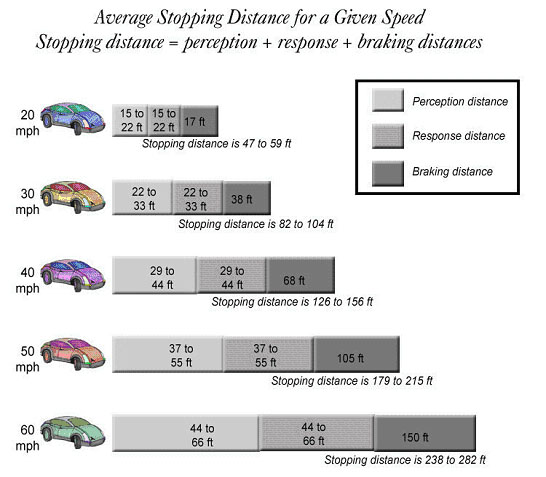
A motorists time management system should ensure an adequate time and space to stop or slow the vehicle if necessary.

. Students will learn the skills needed when driving on urban highways rural highways expressways and divided highways. Road safety depends on the drivers good judgment and a reduced willingness to take risks which like most habits develop over time. Difficulty managing distractions both inside and outside the car.
Inability to scan identify and react to hazards. You must ensure the scene is safe. Defensive Driving Traffic School Drivers Ed Answers Aggressive Driving Behavior 3.
Passing in a no passing zone. Running a stop. Driving carries risks for any driver.
Texting while driving. Intermediate risk driving is the operation of a motor vehicle environment that includes controlled intersections and moderate traffic volume traveling less than 55 miles per hour. Your driving environment changes each time you get behind the wheel weather road conditions your vehicle and other drivers are.
Defensive driving entails that you assume other drivers will follow the rules of the road or are alert as you. Anything that improves road safety for all drivers improves safety for young drivers. However teenage drivers experience the greatest risk largely because of their inexperience behind the wheel and poor judgment skills.
Following too closely. Many different types of road users such as pedestrians cyclists delivery vehicles public transport vehicles and other motorists. Faultyinoperative brake lights.
A typical inner-city driving environment could involve. To help novice teen drivers develop the skills and. In the event of a vehicle accident drivers are legally obliged to stop if their vehicles has caused injury or damage.
Most states restrict whether new drivers may transport young passengers. True Which of the following is not part of information processing. People of all ages are at-risk while driving.
The primary problems of drivers between 15 and 25 years of age appear to be related to lack of experience immature judgment and risk taking. Terms in this set 5 in an intermediate risk driving environment you should maintain at least a ____ second search in front of the vehicle and an effective space cousin. Erratic and sudden lane changes.
The NICHD is committed to research on driving risks and ways to effectively limit inexperienced drivers. Intermediate risk driving is the operation of a motor vehicle environment that includes controlled intersections and moderate traffic volume traveling less than. Get the Correct ANSWER.
Risk factors for motor vehicle crashes that are particularly elevated among teenage drivers include. Denial of ones poor or aggressive driving habits can lead to. Risk factors for motor vehicle crashes that are particularly elevated among teenage drivers include.
Many different signs signals pavement markings and traffic control devices. But for teens motor vehicle accidents are the leading cause of death. This unit will emphasize.
Some strategies are designed specifically for young drivers to limit exposure to risk while they are developing good judgment and safe driving habits. Risk Reducing Strategies Different Driving Environments Chapter 7 Overview Unit 7 will introduce the driver to procedures and information-processing tasks in moderate to high-risk environments. Because teens and other inexperienced drivers are still developing good judgment behind the wheel they are especially likely to engage in risky driving.
Sources of Risk for Younger Drivers. In terms of the physical environment as mentioned earlier driving at night in the dark is more risky for young people than for more mature drivers. Distraction while driving including from using cell phones and texting 3.
How much of a following distance should you allow between you and the person in front of you. Driving at excessive speeds close following and other risky driving 4. The following three skill deficits account for nearly half of all serious crashes involving teen drivers.
A poor driving choices. Call the emergency services 911 if anyone is injured. D Getting out of the car to physically harm another driver.
Multiple lanes of traffic. Open container violations. Tragically car crashes are the leading cause of death in people aged 15 to 20 in the United States.
Driving is a _____ society has entrusted to us when we are issued a license. 6 While this finding may not be completely understood it is an environmental. Difficulty managing speed on different types of roads and conditions.
In the intermediate probationary or provisional license stage the new driver is generally allowed to drive unsupervised but with restrictions designed to help reduce the level of risk and distractions. Failure to use a turn signal. Younger drivers have limited life experience to rely upon in developing responses to the driving environment.
The environment in which young people drive both its physical and social aspects has several features that are related to subsequent risky driving. Switch off all engines turn on hazard warning lights and alert oncoming traffic about the accident. Intermediate risk driving is the operation of a motor vehicle environment that includes controlled intersections and moderate traffic volume traveling less than 55 miles per hour.
Illegal right turns.
The Impacts Of Heat Stress On Animal Cognition Implications For Adaptation To A Changing Climate Soravia 2021 Wires Climate Change Wiley Online Library

Land Use Induced Spillover A Call To Action To Safeguard Environmental Animal And Human Health The Lancet Planetary Health
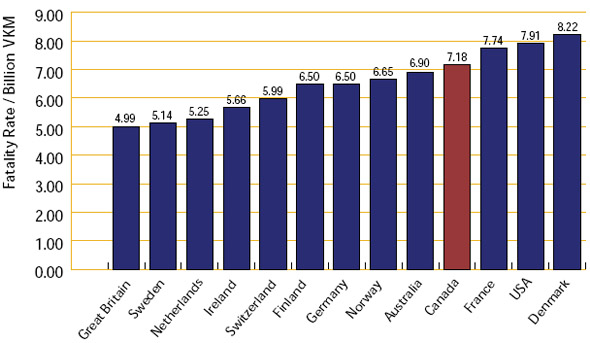
Road Safety In Canada
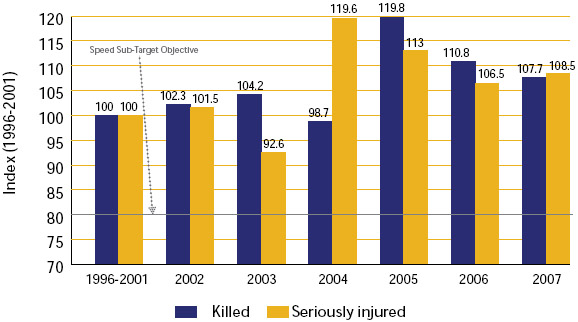
Road Safety In Canada
Increased Visual And Cognitive Demands Emphasize The Importance Of Meeting Visual Needs At All Distances While Driving
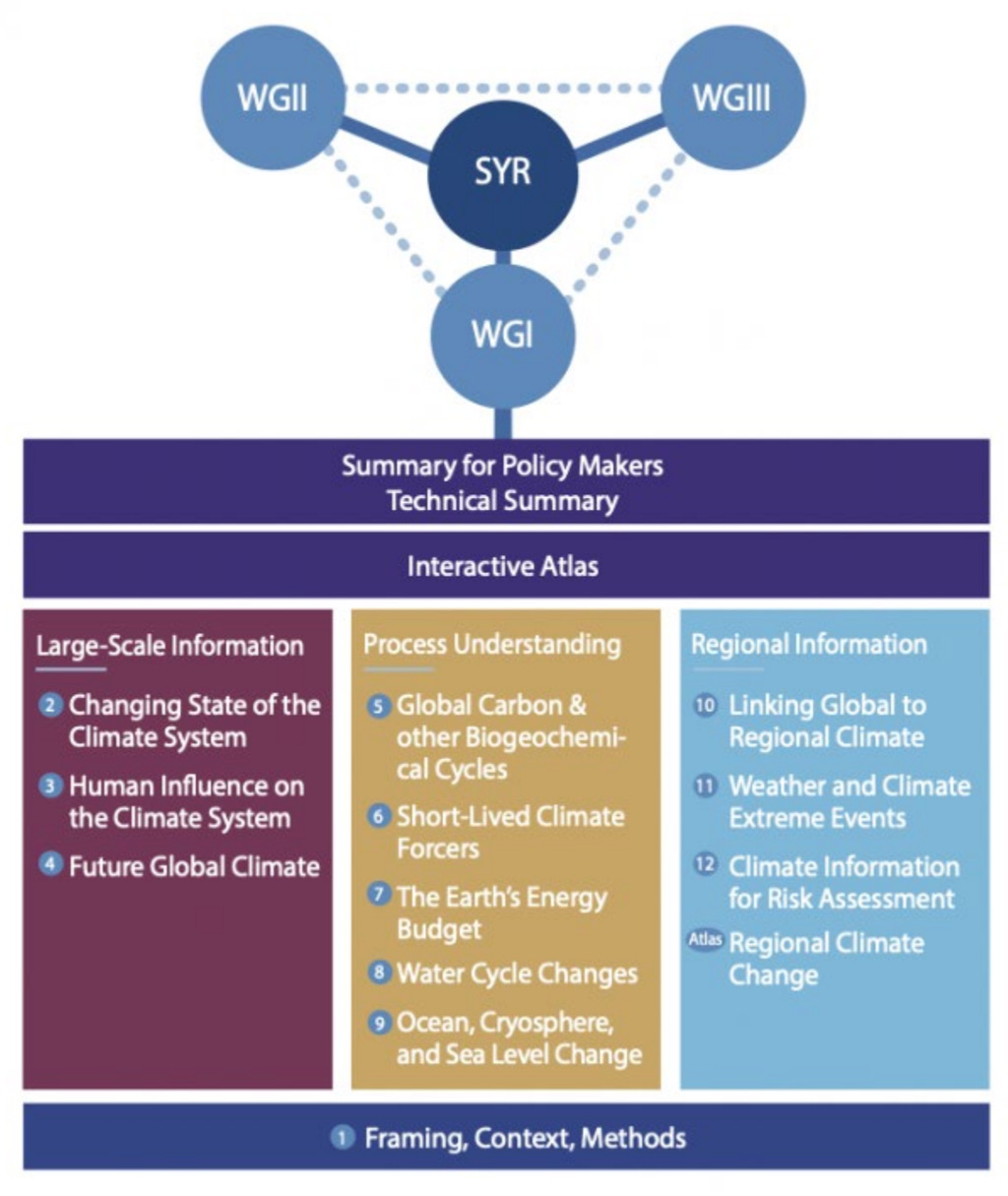
In Depth Q A The Ipcc S Sixth Assessment Report On Climate Science Carbon Brief

Explaining The Variability In Cardiovascular Risk Factors Among First Nations Communities In Canada A Population Based Study The Lancet Planetary Health

Land Use Induced Spillover A Call To Action To Safeguard Environmental Animal And Human Health The Lancet Planetary Health
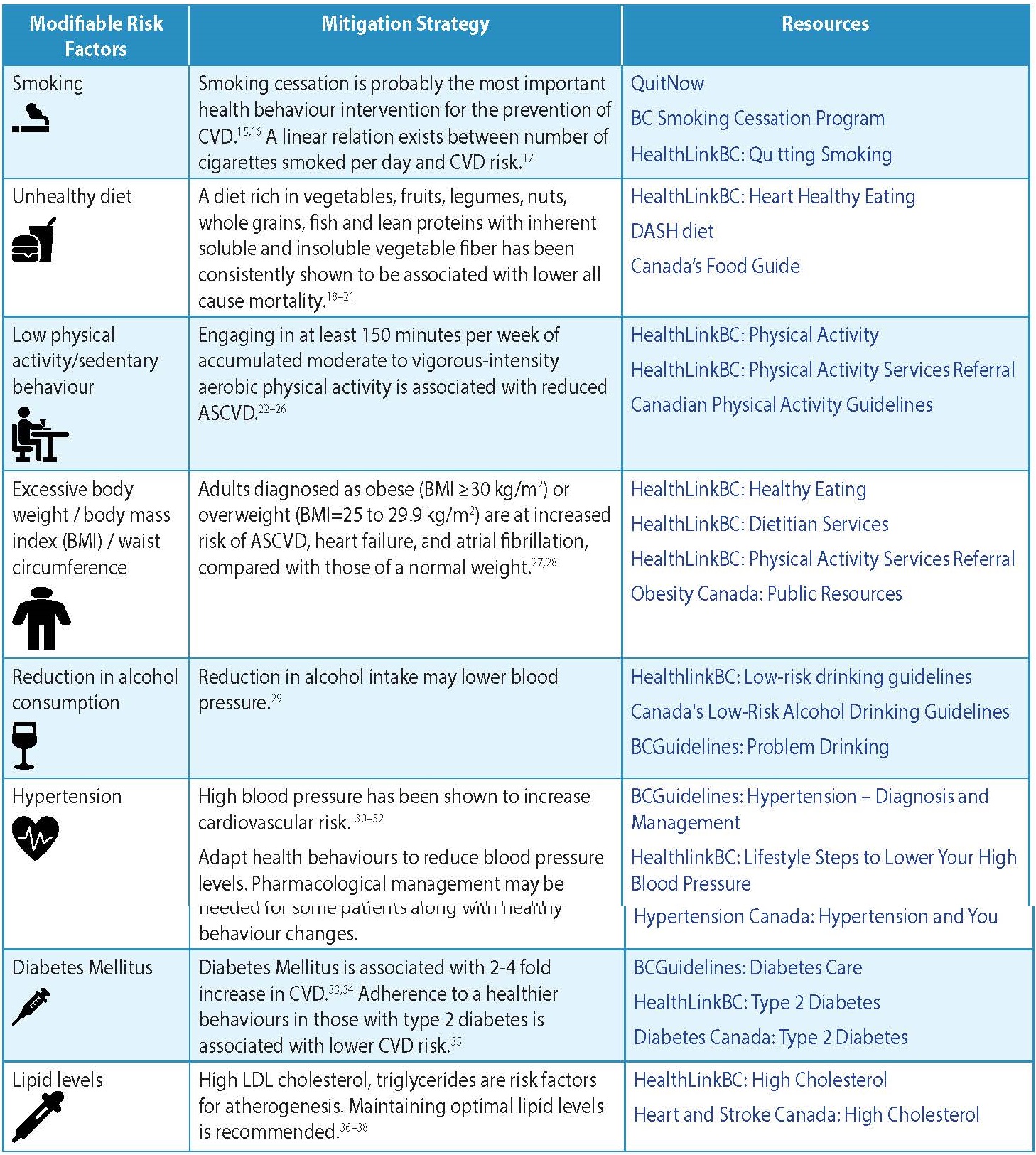
Cardiovascular Disease Primary Prevention Province Of British Columbia
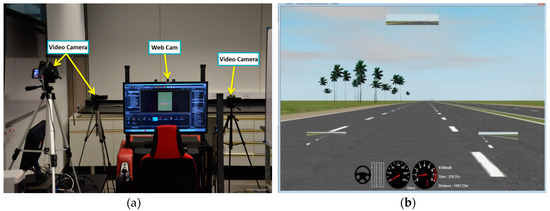
Sensors Free Full Text A Hybrid Approach To Detect Driver Drowsiness Utilizing Physiological Signals To Improve System Performance And Wearability Html
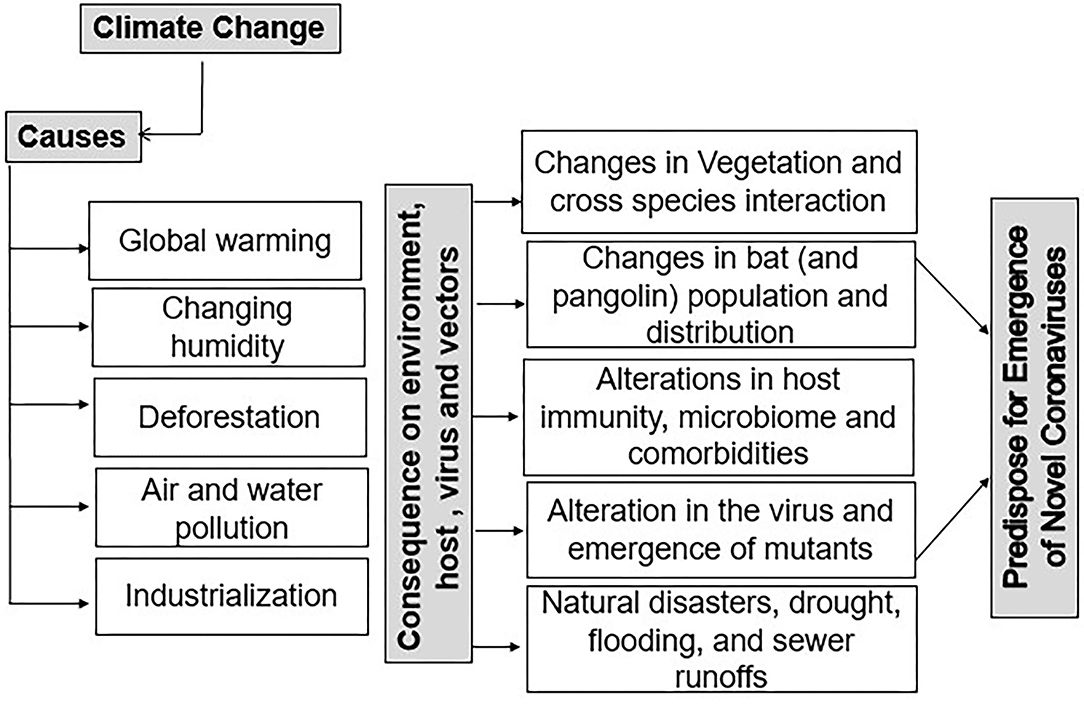
Frontiers Did Climate Change Influence The Emergence Transmission And Expression Of The Covid 19 Pandemic Medicine
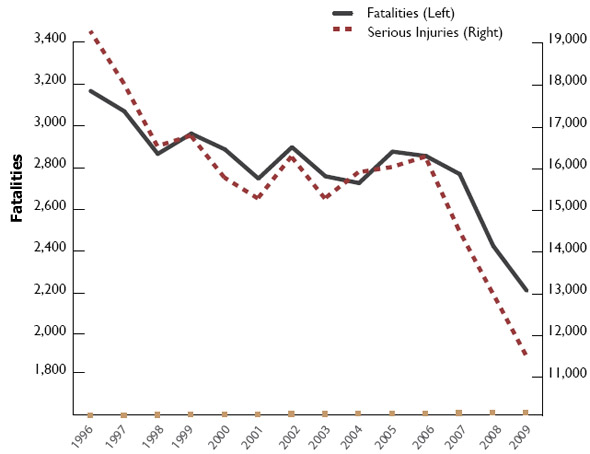
Road Safety In Canada
Florida Safety Council Matrix Bdi Chapter Six

Causal Inference In Disease Ecology Investigating Ecological Drivers Of Disease Emergence Plowright 2008 Frontiers In Ecology And The Environment Wiley Online Library

Road Safety In Canada
Cardiovascular Disease Primary Prevention Province Of British Columbia
Road Safety In Canada
2
Road Safety In Canada


Comments
Post a Comment